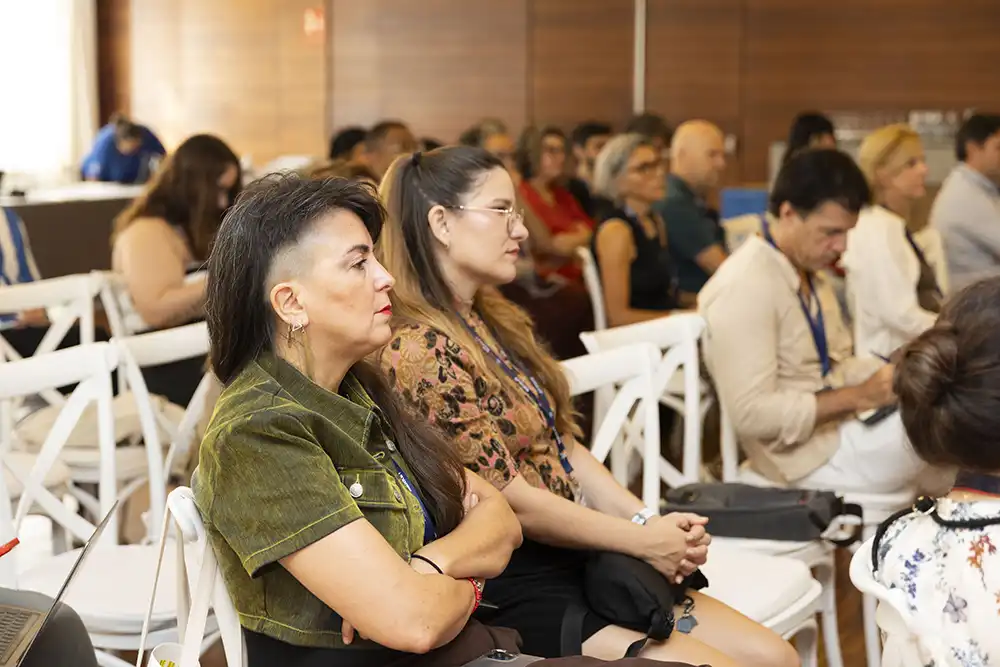
CIIF Market addresses the key role of music professionals in the audiovisual sector and the challenges posed by artificial intelligence.

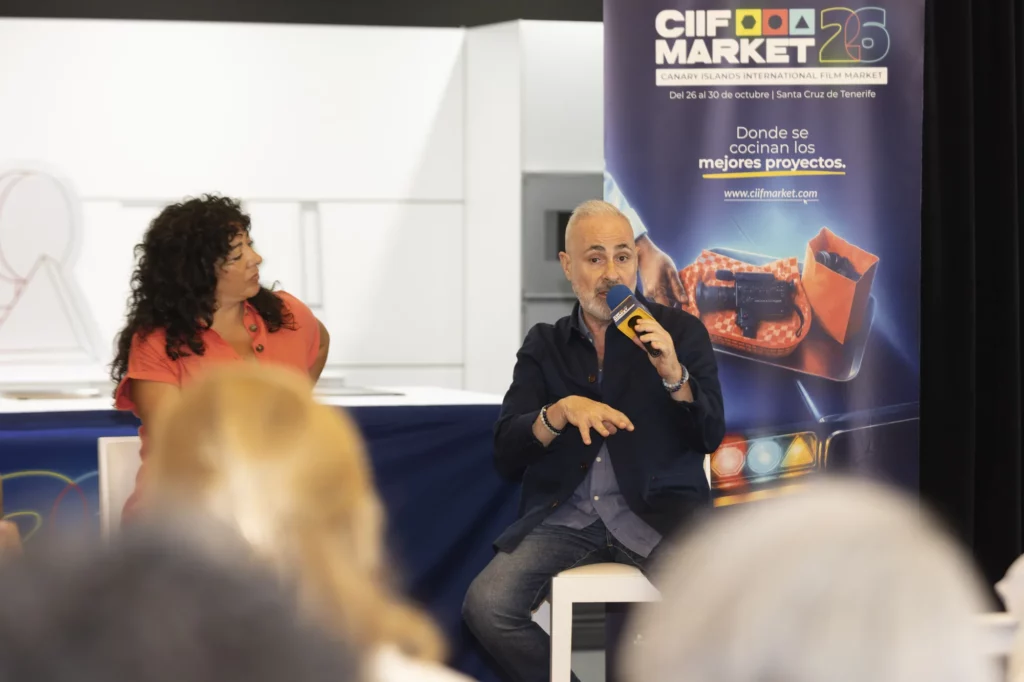
The panel ‘Bringing the Musical Vision to Life,’ held in collaboration with the Tenerife Film Commission, focused on music supervision, copyright, opportunities for talent from the Canary Islands, and the need to ensure legal certainty regarding the use of music in audiovisual productions.
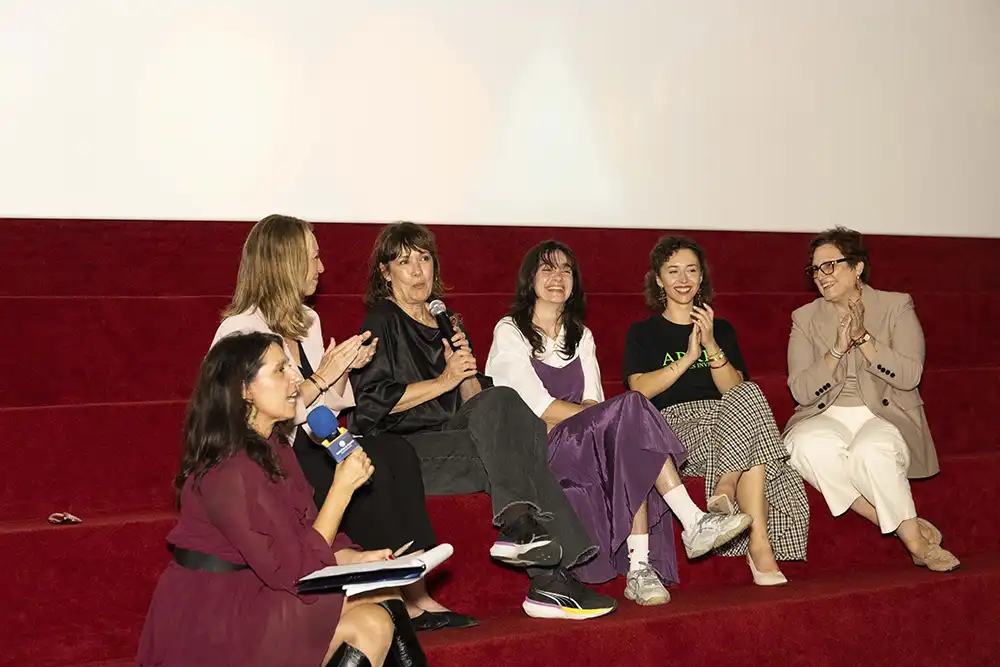
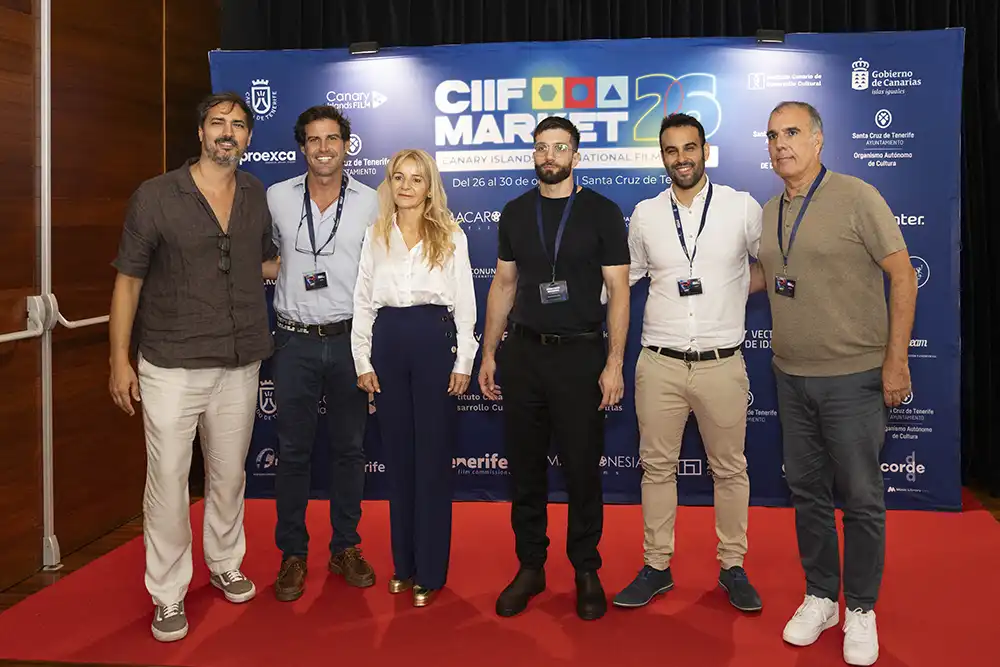
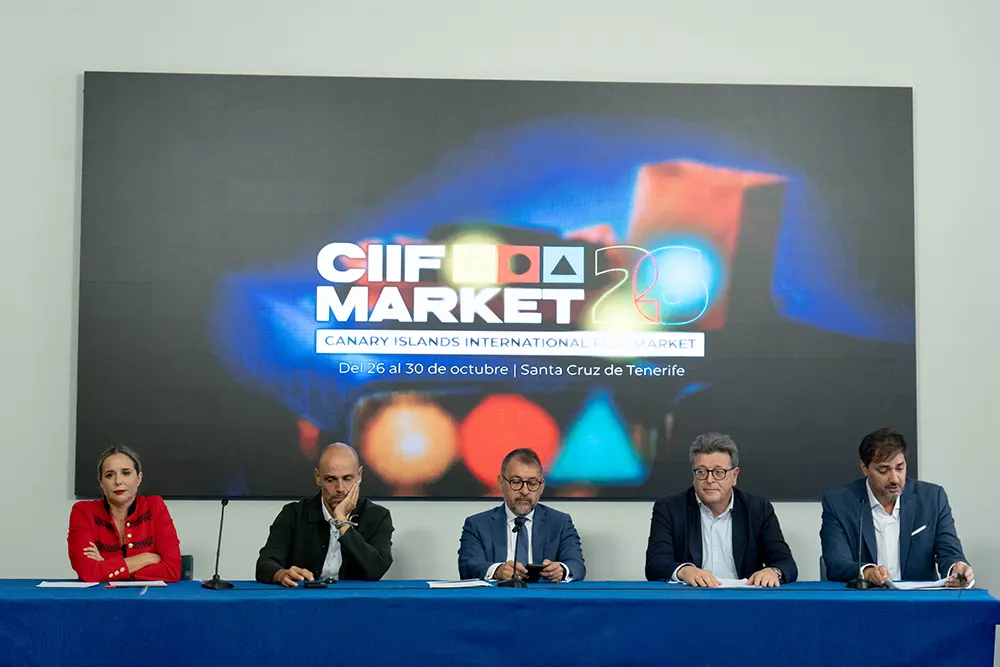
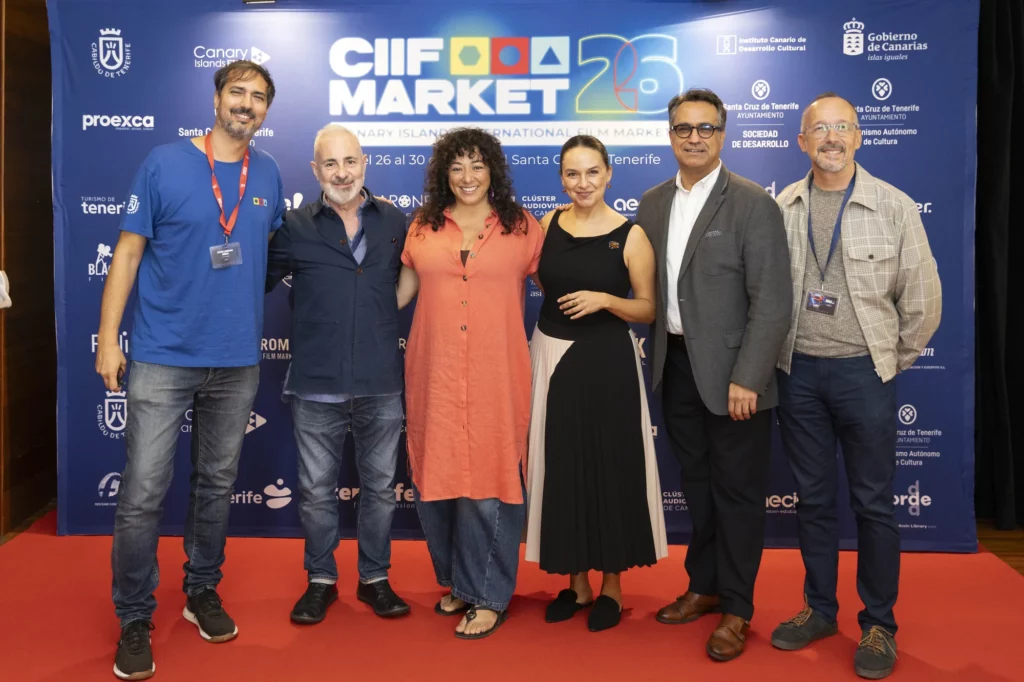
Santa Cruz de Tenerife, October 29, 2026. The second day of CIIF Market began with the panel “Bringing the Musical Vision to Life”—a session organized in collaboration with the Tenerife Film Commission that brought together four leading professionals from the music and audiovisual industries to examine the creative, legal, and business challenges involved in incorporating music into films, series, and other content.
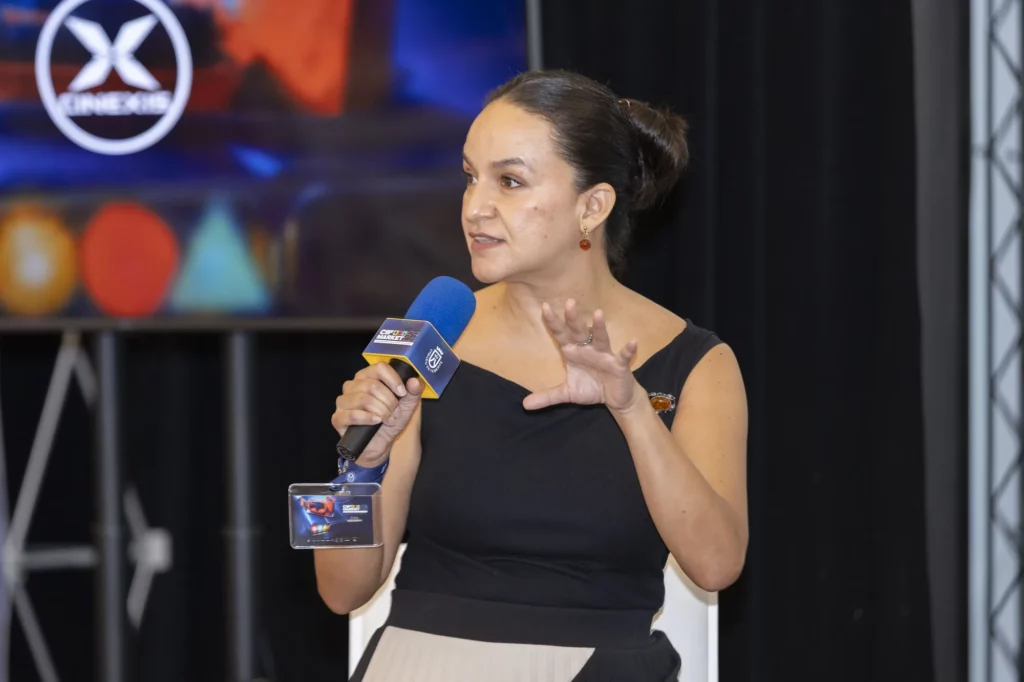
Moderated by Patricia Carrera—a music supervisor, president of the Spanish-Speaking Music Supervision Association (ASM), and coordinator of Music for Audiovisual Media at Vector de Ideas—the session was introduced by Jaime Romero, CEO of Macaronesia Films. It featured contributions from Arturo Olea, founding partner and CEO of Music Library & SFX; Nuria Hernández, an artist, composer, performer, and president of the Canary Islands Music Cluster; and Diego Navarro, a film composer, orchestra conductor, and the founder and director of FIMUCITÉ (the Tenerife International Film Music Festival).
One of the main objectives of the panel was to highlight professional roles that are fundamental to the development of an audiovisual production, yet not always well-known outside the industry. Covering areas ranging from music supervision and coordination to soundtrack composition, catalog management, performance, and orchestral conducting, the participants discussed how their respective specialties contribute to transforming a creative idea into a coherent, viable audiovisual project with a distinct identity.
During the conference, it was highlighted that music is not merely an accompaniment to the image, but rather a narrative tool that reinforces emotions, builds atmosphere, paces the action, and helps define the identity of a work. Realizing this vision, however, requires balancing artistic needs with budgets, production timelines, available resources, and—crucially—copyright and related rights.
In this context, Arturo Olea explained the role of companies specializing in music for audiovisual media, which facilitate access to musical repertoires, manage licenses, and offer solutions tailored to the needs of each project. Production music (library music) and music created specifically for a given work serve as complementary alternatives, allowing creative teams to find solutions that align with their artistic and financial objectives. Olea also highlighted the importance of understanding the terms of use for each piece and ensuring legal safeguards are in place before incorporating it into a production.
The conversation also provided an opportunity to address the possibilities the Canary Islands offer for connecting the music industry with the audiovisual sector. Nuria Hernández presented the perspective of the Canary Islands Music Cluster (Clúster Canario de la Música), an organization working to strengthen the entire music value chain across the archipelago and create new avenues for collaboration with the film and television industries. Its efforts aim to foster the professional development of local talent, promote international reach, and open up opportunities in areas such as music synchronization, soundtrack composition, and music supervision.
In this regard, the importance of connecting projects by artists, composers, and performers from the Canary Islands with audiovisual productions was highlighted, leveraging the region’s unique sonic identity as a distinctive asset. Professional initiatives and forums for industry networking help musical creations from the archipelago find new development opportunities, both within and beyond the islands.
Diego Navarro shared his experience as a composer and conductor, exploring the various facets of a career that has led him to work with prestigious ensembles and collaborate with international figures in the field of film music. As the founder of FIMUCITÉ—the Tenerife International Film Music Festival—Navarro also highlighted the Canary Islands’ capacity to attract talent, generate specialized activity, and establish itself as a key hub for audiovisual music. His insights illustrated how the composition, orchestration, conducting, and recording of film scores require close collaboration among professionals, as well as an industrial infrastructure capable of meeting the demands of film productions.
For her part, Patricia Carrera shared her experience in music supervision, licensing, and consulting for audiovisual productions linked to international platforms such as Netflix, Amazon, Disney, and HBO. Drawing on her work at the helm of the ASM and as coordinator of Music for Audiovisual Media at Vector de Ideas, she highlighted the complexity of music rights and the need to establish clear agreements among producers, composers, performers, and other involved professionals. Music supervision, she explained from the perspective of her own field, requires an understanding of both the creative needs of each project and the conditions that allow for the legal use of a work.

Artificial intelligence and intellectual property at the heart of the debate
One of the topics that drew particular attention was the impact of artificial intelligence on the creation and use of music for audiovisual media. Participants analyzed the differences between generative AI tools—capable of producing musical content—and AI applications designed for operational tasks, as well as the creative, ethical, and legal implications of their use.
During the discussion, it was noted that music generated through artificial intelligence may be attractive for projects with limited budgets; however, its use requires a careful examination of the terms of exploitation, the origin of the materials, and the available guarantees. For productions that demand legal certainty and rigorous rights management, these issues take on particular significance.
The speakers emphasized that reducing upfront costs does not always mean reducing risks. Using a piece of music without first confirming that all necessary rights have been secured can lead to conflicts and additional costs later on. Consequently, they recommended verifying licenses and terms of use before filming or incorporating music into a work, and ensuring that agreements regarding the creative process—as well as the potential use of artificial intelligence tools—are clearly defined in contracts.
The need for transparency was another key point highlighted. Professionals emphasized the importance of knowing how the music incorporated into a production was created, as well as maintaining direct communication between audiovisual teams and composers. It was also stressed that the discussion must take into account the reality of new generations—who are already integrating these tools into their creative processes—and the need to provide guidance and training on how to use them responsibly.
The conference highlighted the importance of addressing the implications of artificial intelligence through informed understanding, commitment, and respect for intellectual property. In this context, protecting the rights of creators and ensuring clarity in contractual agreements were underscored as fundamental aspects for integrating technological advancements into the artistic sphere—thereby guaranteeing compliance with existing regulations and safeguarding the rights of creative professionals.
Highlighting talent and strengthening collaboration across industries
The panel highlighted that music for audiovisual media is the result of a chain of professionals, resources, and decisions that begins long before a piece reaches the screen. Understanding the roles of those involved in this process enables producers and creators to make better decisions, optimize resources, and establish more effective collaborative relationships.
The session also reinforced the importance of strengthening ties between the music and audiovisual industries, creating opportunities for local talent, and fostering a professional culture based on planning, transparency, and the protection of rights.
Through this initiative, CIIF Market—in collaboration with the Tenerife Film Commission—continues to foster spaces for dialogue among various industry stakeholders, facilitating the exchange of experiences and insight into professional areas that are crucial for the development of competitive audiovisual projects.
Start of one-to-one meetings between the selected projects and the host companies
At the conclusion of the panel, CIIF Market transitioned into one-on-one professional meetings between the leads of the selected projects and the participating companies—meetings that continued throughout the afternoon. These individual sessions represent a core component of the market and are designed to facilitate direct contact between producers and potential strategic partners.
In this edition, the 22 selected projects come from Spain, Puerto Rico, Colombia, Argentina, Panama, France, Cuba, Peru, Brazil, and Mexico, in addition to seven proposals from the Focus Canarias section.
During the meetings, participating teams have the opportunity to present their projects to production companies, distributors, sales agents, television networks, platforms, and other industry professionals, with the aim of exploring financing avenues, co-production agreements, and distribution and commercialization opportunities.
The entities and experts advising the participating projects are A Contracorriente Films, Alplano Films, Bendita Film Sales, Blablabla Media, Bolero Films, Buendía Estudios Canarias, Dynamo, El Viaje Films, Entropía Studios | KFP, La Sarraz Pictures, Latido Films, Morena Films, Radio Televisión Canaria – RTVC, Secuoya Studios, Sego Creative, Silberfluss Films GmbH, Tita Productions and Warner Bros. Discovery .
These meetings reinforce the role of CIIF Market as a platform connecting creative talent with the national and international audiovisual industry, fostering new partnerships and business opportunities from the Canary Islands.
The second day of CIIF Market continued with networking activities promoted by Macaronesia Films, Music Library & SFX and Vector de Ideas, which offered a space for professionals to meet, exchange ideas and create new collaboration opportunities.
CIIF Market is organized by Festeam, Comunicación y Eventos, S. L. , and is sponsored by the Tenerife Island Council , through its Department of Culture, Museums and Sports ; the Santa Cruz de Tenerife City Council , through the Development Society ; and the Government of the Canary Islands , through the Canary Islands Institute of Cultural Development , Canary Islands Film and PROEXCA .
Among the collaborating entities are Turismo de Tenerife, through the Tenerife Film Commission; the Canary Islands Audiovisual Cluster; Macaronesia Films, the Canary Islands Special Zone Consortium (ZEC), and the Media Office Spain Cultural Foundation, among others.as.