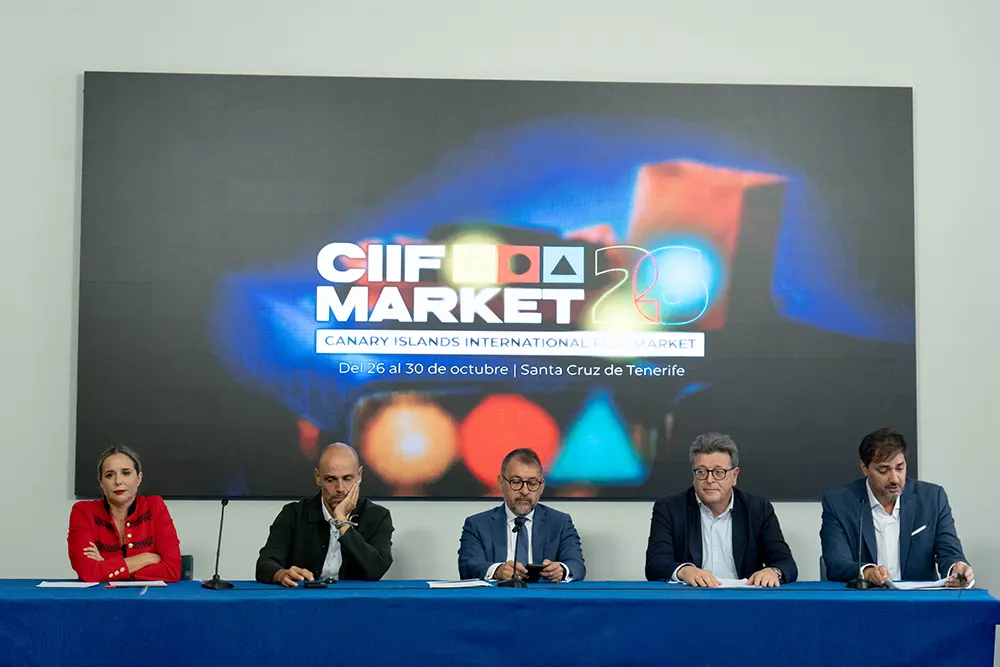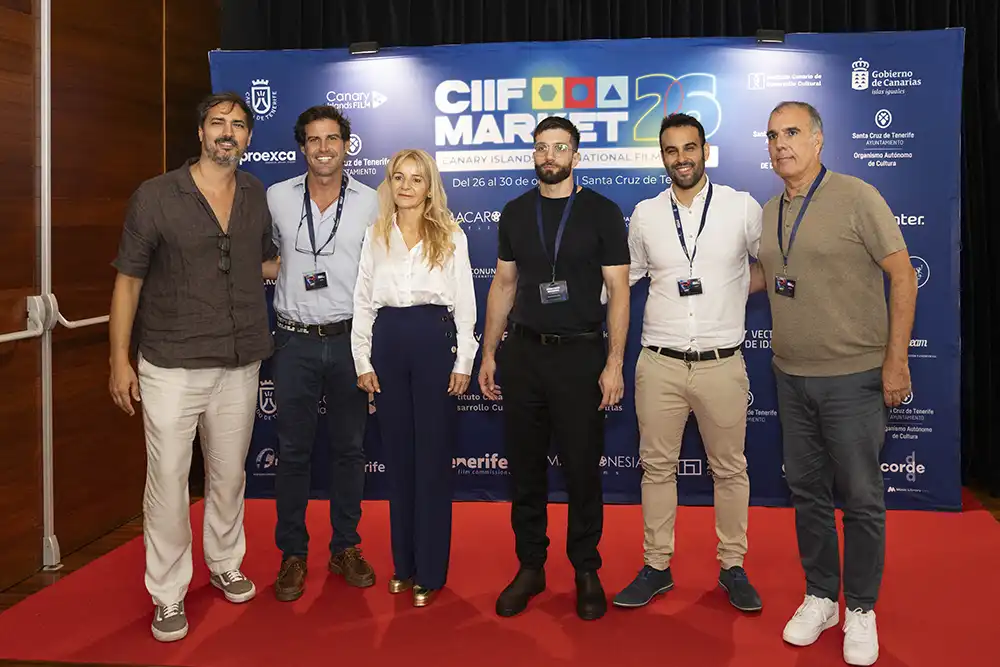
CIIF Market kicks off its 22nd edition with a discussion on the Canary Islands’ potential as an international hub for visual effects.

The first day of the audiovisual market featured a roundtable discussion yesterday on the present and future of VFX in the archipelago, during which industry professionals highlighted the importance of strengthening specialized training, consolidating tax incentives, and adapting to the emergence of artificial intelligence.
Representatives from Flaming Frames, 22 Dogs, Blurr Rojo, and the Tenerife Film Commission agreed that the Canary Islands possess the right conditions to become an international hub for post-production and visual effects, though they noted the need to cultivate local talent and strengthen support mechanisms for the sector.
Santa Cruz de Tenerife, October 28, 2026. The 22nd edition of the CIIF Market (Canary Islands International Film Market) kicked off yesterday with “Tenerife Networking”—an event organized in collaboration with the Tenerife Film Commission. For the third consecutive year, this initiative brought together audiovisual companies from the Canary Islands with the market’s guests and participants, fostering professional exchange, networking, and new opportunities for collaboration on both national and international productions.
The Tenerife Networking program began with a meeting among companies affiliated with the Tenerife Film Commission, followed by a professional gathering that included participants from the CIIF Market. The objective was to showcase the services, expertise, and capabilities of the Canary Islands’ audiovisual industry, while also fostering new connections and collaboration opportunities with national and international productions.
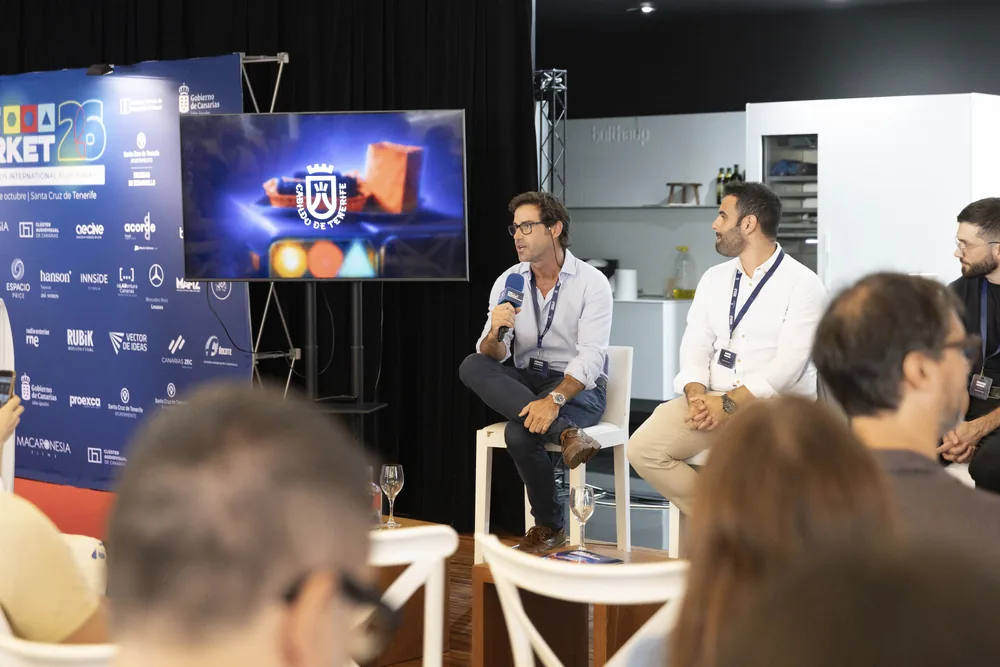
As part of this session with the local industry—following a welcome to all attendees by CIIF Market director Guillermo Ríos—a conference titled “VFX in the Canary Islands: Talent, Industry, and Internationalization” was held. During the event, industry professionals analyzed the evolution of visual effects and post-production in the archipelago, as well as the challenges and opportunities for strengthening its international reach.
The session, held at the Hotel Iberostar Heritage Grand Mencey, brought together Ignacio Caicoya, founder and CEO of Flaming Frames; Rubén Román Sevillano, executive director of 22 Dogs; Jonathan Monroig, CEO of Blurr Rojo; and Ricardo Martínez, director of the Tenerife Film Commission, with Olga Martín Pascual—managing director of the Tenerife Science and Technology Park (INtech Tenerife)—serving as moderator.
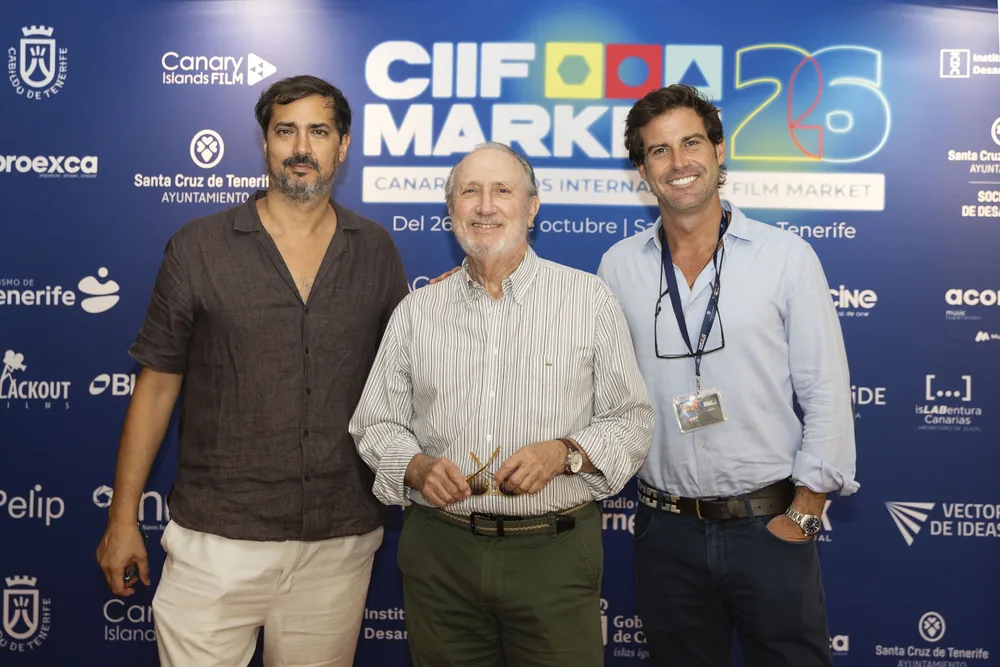
The panel addressed the evolution of the visual effects (VFX) industry in the Canary Islands, the capacity of studios in the archipelago to participate in national and international productions, the impact of tax incentives, and the challenges stemming from technological transformation. Among the key conclusions, participants argued that the islands possess significant competitive advantages for developing an internationally oriented VFX ecosystem; however, its consolidation requires further progress in areas such as training, regulatory stability, visibility, and collaboration between companies and institutions.
The Canary Islands, a competitive territory for the VFX industry
During the discussion, the speakers highlighted the growth experienced by the audiovisual sector in the Canary Islands, as well as the opportunities offered by specialization in post-production and visual effects. While noting the high visibility of film shoots—which generate activity at various locations—they pointed out that a significant portion of the technical work takes place within studios; this aspect, they argued, requires greater exposure so that the public may better understand its scope and the professional possibilities it presents.
Ricardo Martínez, director of the Tenerife Film Commission, highlighted the role of tax incentives as a key factor in attracting productions and fostering the development of the audiovisual industry on the islands. Nevertheless, he emphasized the need to continue adapting the terms of the tax framework to the specific characteristics of the various activities within the sector.
In this regard, one of the key topics of the discussion was the need to review the tax incentives applicable to audiovisual post-production services. Participants emphasized the importance of tailoring these mechanisms to the specific characteristics of the sector and called for regulatory changes that would make it easier for lower-budget productions to access these incentives. Such a measure would expand contracting opportunities for local studios, attract new projects, and strengthen the competitiveness of the Canary Islands as a destination for post-production and visual effects.
Martínez argued that the development of this activity is part of a broader objective to diversify the economy of the Canary Islands, based on high value-added sectors and the creation of skilled employment. Furthermore, he emphasized the importance of increasing the visibility of this industry and bringing its opportunities closer to society—especially to the younger generations—in order to raise awareness of the career paths it offers and to help establish the audiovisual sector as a driver of innovation and economic development in the islands.
Training and local talent: two challenges for consolidating growth
The availability of specialized professionals was another key focus of the meeting. Representatives from the firms agreed that the growth of business activity does not always keep pace with the training and integration of new talent into the labor market.
Jonathan Monroig, CEO of Blurr Rojo, highlighted the importance of developing local talent and strengthening the preparation of professionals to meet the needs of an increasingly specialized industry. In his remarks, he focused on the positive evolution of technical training and the need to continue fostering this process.
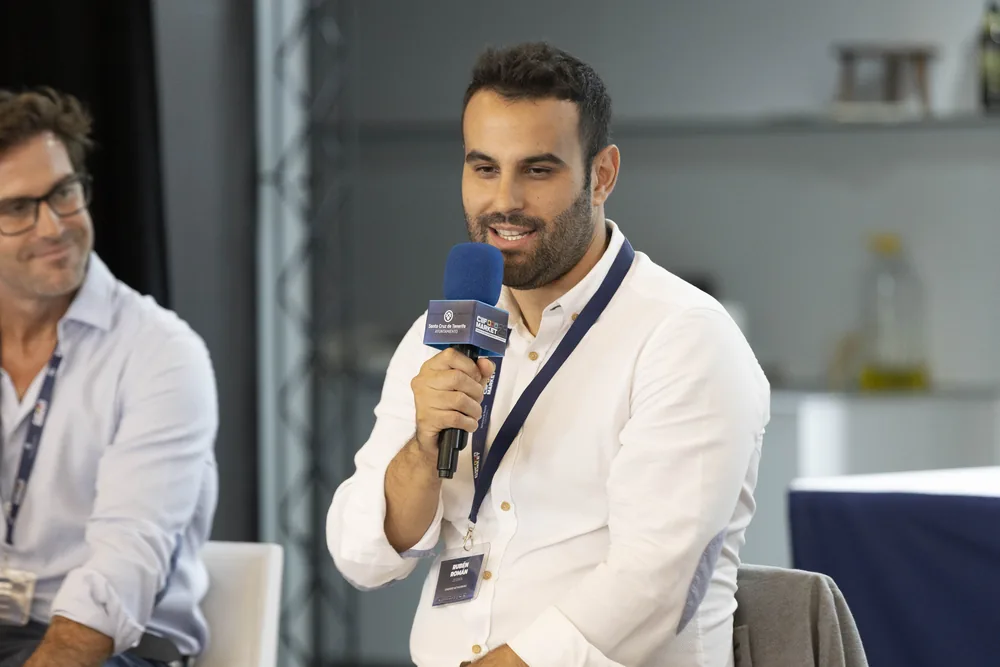
For his part, Rubén Román Sevillano, executive director of 22 Dogs, highlighted the increasing professionalization of visual effects technicians in the Canary Islands, as well as the talent present in the archipelago. Nevertheless, he emphasized the importance of continuing to promote specialized training to support the industry’s growth and foster the development of local talent. In this regard, he advocated for strengthening formal education, increasing practical training hours, and promoting more mentorships and learning opportunities—enabling professionals to keep refining their skills and meet the demands of a sector that is constantly evolving.
He also noted that, beyond attracting talent from elsewhere, it is essential to invest in the training of professionals from the islands and to offer them opportunities to develop their careers within the Canary Islands. The representative from 22 Dogs further pointed out that international companies arriving in the Canary Islands—drawn by tax incentives—are not always aware of the full range of audiovisual services available in the archipelago. In his view, this situation presents an opportunity to better promote the capabilities of local studios and facilitate their integration into larger-scale projects.
Ignacio Caicoya, founder and CEO of Flaming Frames, emphasized that mastering visual effects requires time, practice, and experience. He highlighted the value of collaboration between companies as a way to ensure that talent remains on the islands and to attract professionals from other regions who can build their careers here.
The participants also agreed on the need to combine formal education with practical learning and continuous professional upskilling. The rapid evolution of technological tools makes it essential for teams to update their knowledge and develop new competencies throughout their careers.
In this context, self-directed learning, experimentation, and access to digital resources were also championed, while simultaneously calling for greater institutional involvement to ensure high-quality, accessible education.
Artificial intelligence transforms workflows
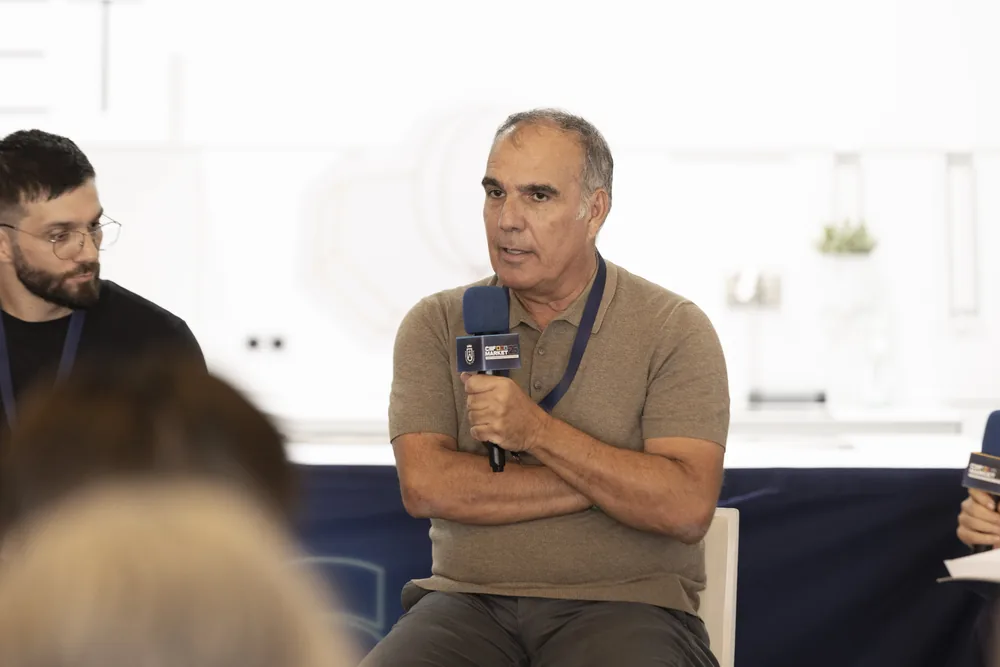
The emergence of artificial intelligence was another key topic discussed during the round table. The speakers highlighted how this technology is transforming production and post-production processes, while simultaneously opening up new creative possibilities and presenting challenges related to organization, budgets, intellectual property, and professional adaptation.
Jonathan Monroig explained that the evolution of AI tools is constant, compelling studios to continuously revisit their workflows. In this context, he noted that the unique value provided by professionals will not depend solely on their technical mastery of these tools, but also on their visual and cinematic judgment, their experience, and their ability to select the most appropriate solution for each project.
The CEO of Blurr Rojo emphasized that artificial intelligence is not an automatic solution that guarantees immediate results. Its integration requires testing, adjustments, and numerous iterations to achieve the creative and technical objectives demanded by each production.
Rubén Román highlighted the importance of adaptability in a technological environment that is constantly evolving. He also underscored the role of research and development (R&D), which enables studios to explore new solutions—even when some of those experiments do not ultimately translate into final products.
Ignacio Caicoya highlighted the challenges that AI introduces when it comes to budgeting for certain types of work—particularly when execution timelines and final outcomes are harder to anticipate. Nevertheless, he acknowledged the progress being made in the quality of these tools and the need to continue evaluating their evolution.
The discussion also addressed legal implications and intellectual property, as well as regulatory differences across territories. Participants highlighted the importance of striking a balance between incorporating new technologies, meeting client requirements, and protecting creative and professional work.
From service provision to greater creative participation
Beyond technical capability, the session presented an opportunity for Canary Islands-based studios to expand their involvement in audiovisual projects from the earliest stages of development.
Jonathan Monroig advocated for the importance of integrating visual effects as early as the pre-production stage—through script analysis, scene planning, and on-set supervision. This early involvement makes it possible to anticipate requirements, optimize resources, and avoid complications that could otherwise lead to longer shooting days or more complex post-production processes.
Furthermore, the potential for co-production and for greater involvement by Canarian companies in the development of their own projects was brought to the table. This evolution would make it possible to increase the value added generated within the islands and move toward business models that do not rely exclusively on providing services for external productions.
In this vein, the meeting also addressed the advisability of reviewing the economic and fiscal framework to adapt it to the sector’s current reality and enable firms to take on projects of varying scales.
An opportunity to strengthen collaboration between companies and institutions
In the final part of the meeting, the potential for the Canary Islands to establish itself as an international hub for visual effects was highlighted, thanks to the existing talent, the competitiveness of its tax incentives, and the growth of its audiovisual industry. Participants underscored the importance of continuing to strengthen specialized training, innovation, and public-private collaboration in order to solidify this position and expand development opportunities for the sector in the islands.
The importance of fostering greater collaboration among studios, public authorities, and educational institutions was also highlighted, as was the need to bring this industry closer to young people to raise awareness of the professional opportunities it offers.
Representing the Tenerife Film Commission, Ricardo Martínez argued that fostering visual effects and post-production presents an opportunity to advance the economic and technological diversification of the Canary Islands, by focusing on high-value-added activities and the creation of skilled employment. He also underscored the importance of continuing to leverage tax incentives and tailoring support to the specific needs of the sector, thereby encouraging the growth of local studios and solidifying Tenerife’s position as an international benchmark within the audiovisual industry. For their part, business representatives expressed confidence in the islands’ potential, highlighting both the competitiveness of the local environment and the high quality of services offered by the studios based there.
Olga Martín Pascual (INtech Tenerife), the moderator of the event, highlighted the importance of connecting young talent with professional opportunities in the audiovisual and technology industries. In this regard, she spoke about the role her organization plays in fostering innovation, training, and the development of sectors that are strategic to the island’s economic diversification.
Likewise, he highlighted the need to introduce visual effects to younger generations and to raise awareness of the opportunities this field offers—aligning with other initiatives promoted by INtech Tenerife to connect young people with companies and inspire professional career paths. Martín Pascual also expressed his willingness to explore initiatives that would bring the VFX sector into these programs, fostering a better understanding of the industry, facilitating direct contact with its professionals, and supporting the development of local talent.
The conversation made it clear that the consolidation of the Canary Islands as a visual effects hub depends not only on attracting productions, but also on strengthening the local business ecosystem, developing and retaining talent, and enabling companies to grow and participate in increasingly ambitious projects.
With this panel discussion, CIIF Market 2026 launched its conference program, focusing on one of the most technologically specialized segments of the audiovisual industry, as well as the challenges involved in strengthening the Canary Islands’ international profile. The “Tenerife Networking” event also included a familiarization trip to various locations across Tenerife, designed to showcase the island’s diverse filming settings and spaces to the invited professionals, highlight its potential as a natural film set, and foster future audiovisual production opportunities in the region.
The Canary Islands International Film Market thus continues its commitment to creating spaces for reflection, the exchange of knowledge, and networking among professionals, companies, and institutions, contributing to the development and internationalization of the audiovisual sector.
CIIF Market is organized by Festeam, Comunicación y Eventos, S. L. , and is sponsored by the Tenerife Island Council , through its Department of Culture, Museums and Sports ; the Santa Cruz de Tenerife City Council , through the Development Society ; and the Government of the Canary Islands , through the Canary Islands Institute of Cultural Development , Canary Islands Film and PROEXCA .
Among the collaborating entities are Turismo de Tenerife, through the Tenerife Film Commission; the Canary Islands Audiovisual Cluster; Macaronesia Films, the Canary Islands Special Zone Consortium (ZEC), and the Media Office Spain Cultural Foundation, among others.as.